
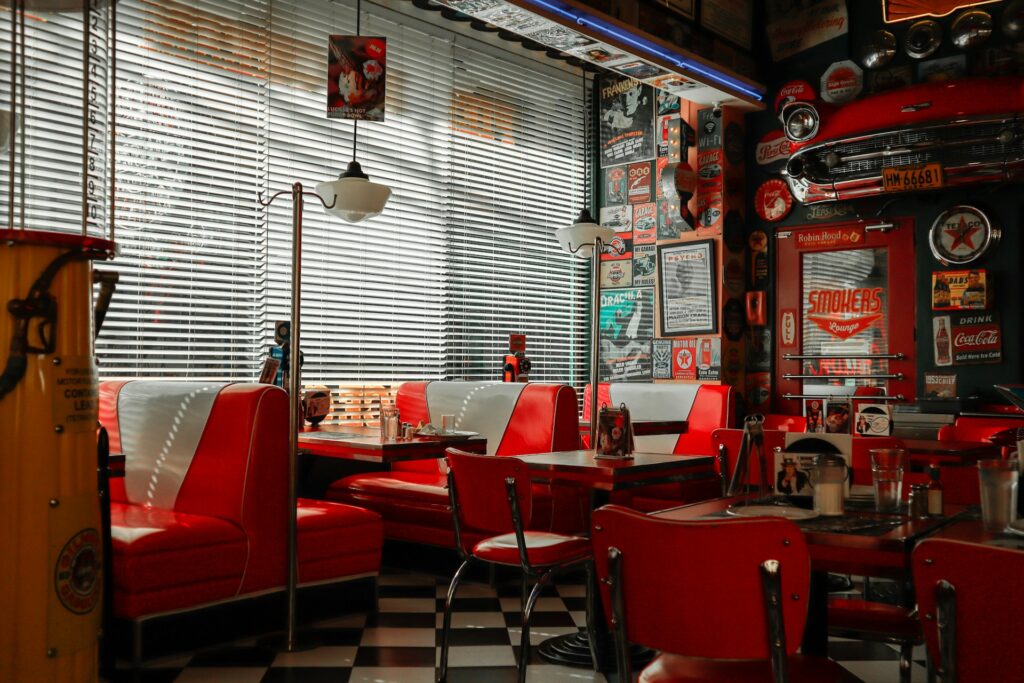
There’s a certain magic to the American diner. It’s more than just a place to grab a bite; it’s a cultural touchstone, a beacon of comfort, and a testament to the enduring appeal of good, honest food served with a side of nostalgia. From the gleaming chrome and checkered floors to the endless cups of coffee and the sizzle of the grill, diners represent a unique chapter in America’s culinary story. And while the classic diner continues to evolve, its core appeal and the demand for its timeless offerings remain as strong as ever, even finding modern expression in places like the Five Guys in West Valley City, Utah.
The Humble Beginnings: From Wagons to Iconic Eateries
The story of the American diner is a fascinating journey that began not in a building, but on wheels.
The “Night Lunch Wagon”: The Proto-Diner
- Walter Scott (1872): Often credited with the genesis, Walter Scott, a typesetter in Providence, Rhode Island, started selling food from a horse-pulled wagon to late-night workers. This ingenious idea addressed a simple need: affordable, hot food when traditional restaurants were closed.
- Convenience and Affordability: These early “night lunch wagons” were a hit, offering quick, inexpensive meals like sandwiches, coffee, and pies to a working-class clientele.
- Evolution on Wheels: As demand grew, these wagons became more elaborate, some even allowing customers to stand inside. Manufacturers like T.H. Buckley and the Worcester Lunch Car Company began producing specialized “lunch cars” that were essentially mobile kitchens.
The Transition to Stationary Landmarks
By the early 20th century, growing popularity and local ordinances prompted many operators to “anchor” their wagons, transforming them into permanent structures. This shift marked the true birth of the stationary diner as we know it.
- Prefabrication and Efficiency: Companies began industrially manufacturing prefabricated diners that could be easily shipped and assembled, often resembling streamlined train dining cars (hence the long, narrow shape). This made opening a diner a relatively quick and affordable business venture.
- The Golden Age (1920s-1950s): This era saw diners embrace Art Deco aesthetics, with gleaming stainless steel, colorful porcelain enamel, neon signs, and comfortable booths. They became symbols of optimism and modernity, offering a refuge during the Great Depression with their budget-friendly, hearty fare.
Why America Fell in Love: The Enduring Appeal of the Diner
The diner’s enduring popularity isn’t just about the food. It’s a complex blend of social, economic, and cultural factors that resonate deeply with the American psyche.
Accessibility and Inclusivity:
- “The Democratic Counter”: As historian Richard Gutman famously stated, “The thing about this democratic counter is that anyone can go in and sit down. It can be a professor, it can be a worker.” Diners traditionally welcomed people from all walks of life, fostering a sense of community and equality.
- Open All Hours: Many diners operated 24/7, providing a haven for shift workers, late-night revelers, and early risers alike. This “always open” ethos made them a reliable fixture in any town.
- Family-Friendly: Especially after World War II, diners increasingly catered to families, offering a comfortable and affordable alternative to home cooking.
Comfort and Nostalgia:
- Home Away From Home: Diners evoke a sense of warmth and familiarity. The aroma of sizzling bacon, the friendly chatter, and the unpretentious atmosphere create a feeling of being cared for.
- Breakfast Staples: Pancakes, waffles, eggs any style, crispy bacon, and hash browns.
- Hearty Lunches & Dinners: Burgers, hot dogs, meatloaf, sandwiches piled high, and creamy milkshakes.
- Sweet Endings: Pies, cheesecakes, and ice cream sundaes.
- Aesthetic Charm: The iconic diner aesthetic—chrome accents, vinyl booths, checkered floors, and neon lights—triggers a powerful sense of nostalgia, even for those who didn’t grow up in the diner’s heyday. It’s a visual shorthand for a simpler time.
Cultural Significance:
- Pop Culture Icon: Diners are woven into the fabric of American pop culture, appearing in countless films (e.g., Pulp Fiction, When Harry Met Sally, Diner), TV shows (Happy Days), and works of literature and art (Edward Hopper’s Nighthawks, Norman Rockwell’s illustrations). They often serve as settings for pivotal moments of connection, introspection, or dramatic tension.
- Political Pit Stops: From presidential candidates to local politicians, stopping at a diner is a time-honored tradition to connect with “everyday Americans,” symbolizing accessibility and down-to-earth values.
The Modern Diner: Adaptations and Enduring Quality
While the traditional diner continues to thrive, the essence of its appeal has also influenced modern eateries. Fast-casual restaurants, with their focus on fresh ingredients and customizable menus, often echo the diner’s emphasis on efficiency and quality.
Consider the modern success story of Five Guys. While not a traditional “diner” in the classic sense, it embodies many of the core principles that made diners so beloved:
- Simplicity and Focus: Like the early diners, Five Guys focuses on a limited menu (burgers, fries, hot dogs) and strives for perfection in those core offerings.
- Freshness as a Cornerstone: Their commitment to fresh, never-frozen beef and hand-cut fries cooked in peanut oil directly mirrors the diner’s promise of honest, quality ingredients.
- Customization and Choice: The extensive free topping bar at Five Guys offers a level of personalization that harkens back to the diner’s spirit of “have it your way.” This empowers customers to craft their ideal meal, much like selecting from a diner’s diverse menu.
- Transparency: The open kitchen concept, where you can see your food being prepared, provides a similar level of transparency and trust that the open counters of classic diners offered.
- Comfort Food Reinvented: A Five Guys burger and a generous serving of their famously addictive fries are, in essence, elevated comfort food – a modern interpretation of the diner’s hearty, satisfying meals.
West Valley City’s Ode to American Favorites: Five Guys
In West Valley City, Utah, the Five Guys at 2917 S Glen Eagle Dr stands as a testament to the enduring American appetite for quality comfort food. This location, like all Five Guys, upholds the brand’s rigorous standards for freshness and service.
- A Consistent Experience: Residents and visitors to West Valley City can expect the same high-quality, customizable burgers and abundant, perfectly cooked fries that Five Guys is known for worldwide.
- Community Hub: Just as diners served as local gathering spots, the West Valley City Five Guys provides a reliable and welcoming place for families, friends, and individuals to enjoy a consistently good meal. It’s a modern iteration of the casual, approachable eatery that Americans have always embraced.
- Always Open (Within Reason): While not 24/7 like some classic diners, the West Valley City location offers extended hours, reflecting the modern need for convenient and satisfying dining options throughout the day.
The Diner’s Legacy Lives On
The American diner, in its many forms, continues to be a cherished part of the national landscape. It represents an idealized version of American ingenuity, community, and culinary simplicity. From Walter Scott’s humble wagon to the polished chrome of a classic roadside diner, and now to the vibrant, fresh experience offered by establishments like Five Guys in West Valley City, the core appeal remains: a place where you can get a satisfying meal, feel at home, and perhaps even create a new memory.
The diner’s journey is a reflection of America itself – adaptable, inclusive, and always hungry for what’s next, while still holding onto the comforting flavors and feelings of the past. It’s a culinary heritage that truly keeps on giving.