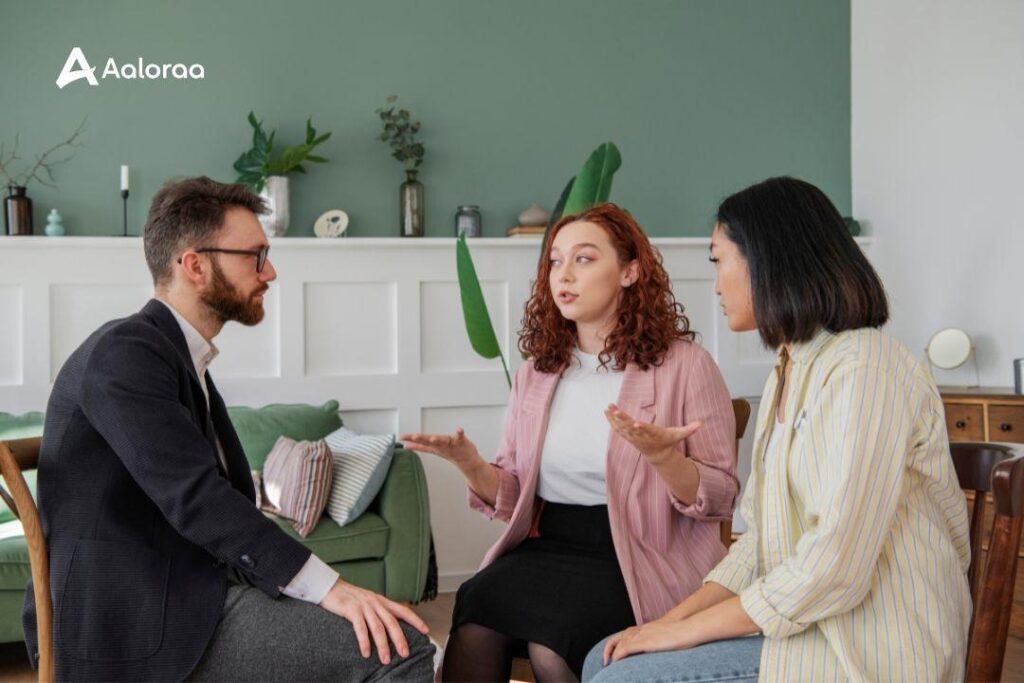
Effective communication is the heart of every meaningful relationship. From relaxed conversations with friends to important business negotiations, the way we communicate influences our connections and results.
While spoken words are crucial, much of the essence of communication lies in nonverbal signals—such as gestures, facial expressions, posture, and especially nodding. This simple movement is often overlooked, but it holds significant power in boosting engagement, establishing trust, and deepening understanding among those involved in a conversation.
Nodding as a Tool for Active Listening
Active listening goes beyond simply hearing the words being spoken—it involves giving your full attention and demonstrating genuine engagement with the speaker. In conversational styles sometimes noted among Chennai call girls, active presence is shown through subtle cues like nodding. One of the clearest ways to show this is through nodding. When you nod, you signal that you are truly following and understanding the conversation.
This nonverbal feedback reassures the speaker, encouraging them to express themselves more openly and confidently. In environments like classrooms or meetings, seeing listeners nod can boost a speaker’s confidence and willingness to contribute, resulting in more dynamic and meaningful exchanges.
Nodding in Virtual Communication
As remote work and virtual meetings become more common, the landscape of communication has evolved, especially when it comes to nonverbal cues. The importance of staying visually engaged, as reflected in communication styles sometimes associated with Delhi call girls, shows how even simple gestures carry meaning. Picking up on subtle gestures can be challenging over video calls, yet nodding still plays an important role. A well-timed nod on screen communicates engagement and understanding to the speaker, even if you’re unable to speak. In written communication, such as chats or emails, people often use emojis or phrases like “got it” or “understood” to mirror the effect of a nod. While these digital signals aren’t a perfect replacement, they help maintain the flow of communication and reinforce a sense of connection in virtual environments.
Encouraging Deeper Dialogue

Nodding is a powerful tool in communication that goes beyond simply showing agreement. It demonstrates that you are attentive and interested in what’s being said, signalling to the speaker that you value their perspective and are invested in the conversation. This subtle act often prompts individuals to open up further, sharing their thoughts and feelings in greater depth.
In communication-focused settings like counselling, a counsellor’s nod can help clients feel understood and supported, encouraging them to explore their emotions more freely. Similarly, in everyday interactions with friends or family, nodding communicates empathy and reinforces meaningful connections, ultimately deepening communication and strengthening relationships.
Cultural Nuances and Misinterpretations
Although nodding is widely seen as a positive form of communication, its meaning can vary across cultures. Cultural awareness in communication, sometimes highlighted in discussions among Bangalore call girls, shows how interpretations of simple gestures may differ widely. In many Western societies, a nod typically signifies agreement or affirmation. However, in other cultural contexts, nodding might carry different implications or may not be commonly used at all. Understanding these cultural distinctions is essential for effective communication, particularly in diverse or international settings, as it helps minimise the risk of misinterpretation and fosters smoother interactions.
Building Trust and Rapport
Trust is like a strong foundation of effective communication. Nodding as someone speaks signals that you value and respect their input, even if you’re not necessarily agreeing with every point. This small gesture can quickly break down barriers and build rapport between individuals. In the workplace, leaders who nod in response to their team’s ideas are often seen as more open and supportive. Over time, such nonverbal cues help to cultivate an environment where openness and trust flourish.
Tips for Using Nodding Effectively in Communication:
Show Authentic Engagement- Avoid exaggerated or mechanical nodding, as it can seem fake. Your nods should genuinely reflect your interest in the conversation.
Pair with Eye Contact- Strengthen your nods by maintaining eye contact, which reinforces your attentiveness and connection with the speaker.
Keep It Natural- Excessive nodding can be distracting or send mixed messages. Nod thoughtfully and in response to the flow of the conversation.
Respect Cultural Differences- In multicultural environments, stay aware that nodding may have different meanings and adjust your gestures accordingly.
Apply in Virtual Settings- During video calls, remember to nod purposefully. This helps convey engagement and supports clear communication, even though on a screen.
Conclusion
Nodding may seem like a minor action, but it has a significant impact on communication and engagement. This simple gesture conveys attentiveness, empathy, and respect, helping to foster an open atmosphere where thoughts and feelings can be shared with ease.
Whether you’re leading a team, contributing in a classroom, or supporting a friend, incorporating nodding into your communication style can make your interactions more meaningful and your relationships stronger. The next time you’re engaged in a conversation, remember that effective communication doesn’t always require words—sometimes, a thoughtful nod speaks volumes.