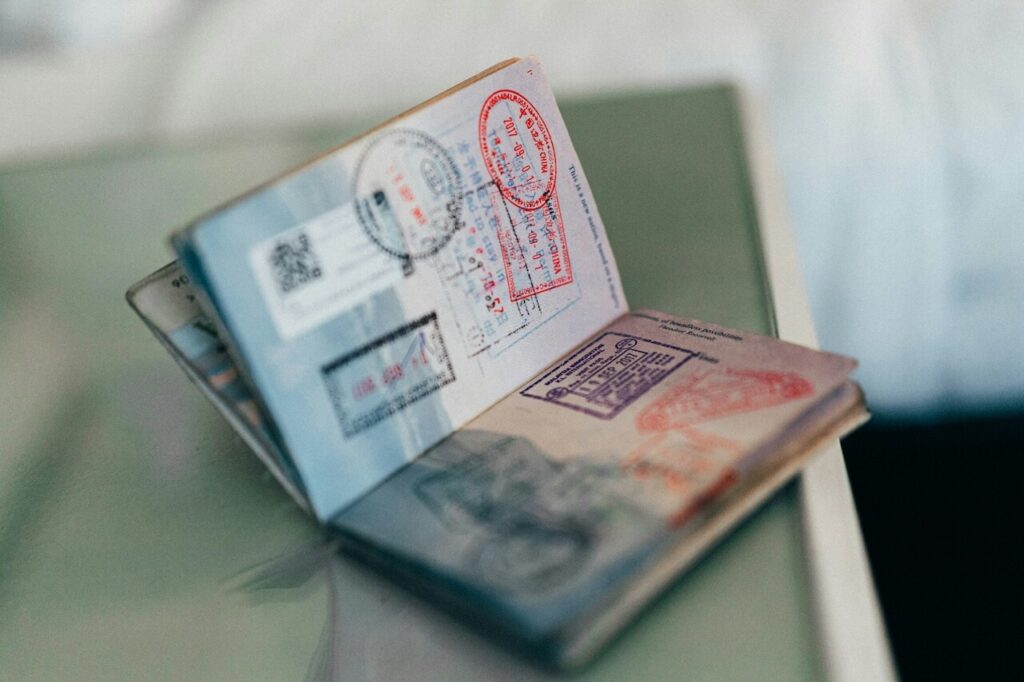

Applying for an O-1 visa can be a significant step for individuals with extraordinary ability who want to work in the United States. While the visa offers valuable opportunities, the application process is detailed and requires careful preparation. Even highly qualified candidates can face delays if certain aspects of their application are incomplete or unclear. Understanding common mistakes can help applicants avoid setbacks and improve the overall strength of their case.
One of the most frequent issues in O-1 visa applications is insufficient documentation. The O-1 visa requires strong evidence that demonstrates extraordinary ability, which may include awards, publications, media coverage, or proof of significant contributions to a field. Some applicants underestimate the level of detail required and submit limited or weak evidence. This can lead to delays, especially if additional documentation is requested later in the process. Providing thorough and well organized materials from the beginning can help avoid unnecessary complications.
Another common mistake is failing to clearly connect evidence to eligibility criteria. It is not enough to simply provide achievements or accomplishments. Each piece of evidence should directly support the specific requirements outlined by immigration authorities. If the connection between the evidence and the criteria is unclear, it may raise questions about the applicant’s qualifications. A well structured application that clearly explains how each item supports eligibility can improve clarity and reduce the likelihood of delays.
Inconsistent or incomplete recommendation letters can also affect the application timeline. Letters of recommendation are an important part of many O-1 petitions, as they provide third party validation of the applicant’s expertise and recognition. However, letters that lack detail, fail to highlight specific achievements, or do not come from credible sources may weaken the application. Strong recommendation letters should be specific, relevant, and aligned with the overall narrative of the petition.
Timing is another factor that can influence delays. Some applicants wait too long to begin preparing their materials, which can lead to rushed submissions. Gathering documentation, securing recommendation letters, and organizing evidence often takes more time than expected. Starting the process early allows applicants to build a more complete and thoughtful case, reducing the risk of last minute issues.
Errors in paperwork or missing information can also slow down the process. Even small mistakes, such as incorrect dates, incomplete forms, or missing signatures, can result in processing delays. Careful review of all application materials before submission is essential. Attention to detail helps ensure that the application moves forward without unnecessary interruptions.
Another mistake involves misunderstanding the role of the petitioner or sponsor. The O-1 visa typically requires a U.S. agent or employer to act as the petitioner. Applicants who are unfamiliar with this requirement may not fully understand how the relationship should be structured. Ensuring that the petitioner’s role is clearly defined and properly documented is an important part of the process.
Some applicants also overlook the importance of presenting a cohesive narrative. An O-1 visa application is not just a collection of documents. It should tell a clear story about the applicant’s achievements, impact, and recognition within their field. When materials are presented without a clear structure, it can make it more difficult for reviewers to understand the full scope of the applicant’s qualifications. A well organized application helps create a stronger overall impression.
Responding to a Request for Evidence, if issued, is another area where delays can occur. While receiving a request for additional information does not mean the application will be denied, it does extend the timeline. Applicants who are not prepared to respond quickly or thoroughly may experience further delays. Anticipating potential gaps and addressing them in the initial submission can help reduce the likelihood of receiving such requests.
Finally, lack of professional guidance from an O-1 visa consultant can sometimes contribute to delays. The O-1 visa process involves complex requirements, and applicants who are unfamiliar with the system may overlook important details. Working with experienced professionals can help ensure that applications are complete, accurate, and aligned with current requirements.
Avoiding these common mistakes can make a meaningful difference in the O-1 visa application process. By preparing thoroughly, organizing materials clearly, and ensuring that all requirements are met, applicants can reduce delays and improve their chances of a smooth and successful outcome.